Retro Halloween SVG Design
First Impression: Nostalgic, Clean, and Ready for Stitching
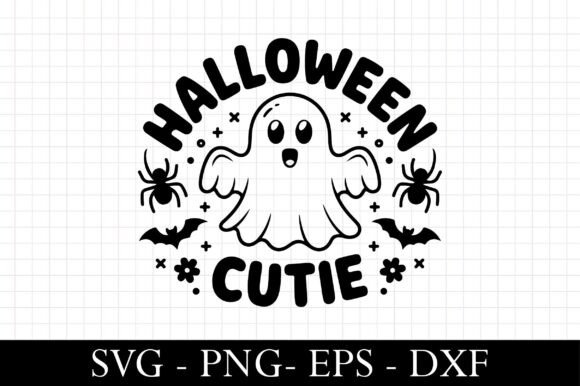
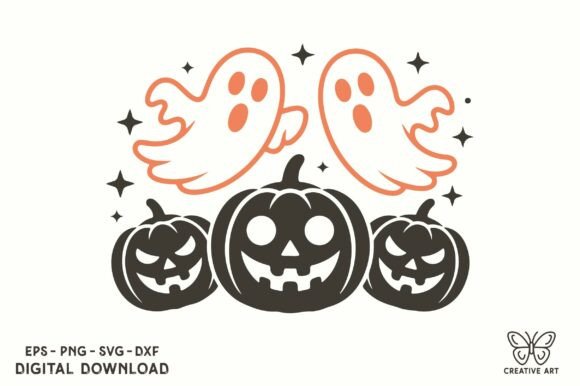
Opening the Retro Halloween SVG Design file feels like flipping through a vintage craft magazine—bold outlines, friendly ghosts, chunky pumpkins, and playful typography with just enough quirk to feel handmade, not mass-produced. It’s not overly detailed, which is a relief: no tiny eyes or fragile stems that’ll vanish in satin stitch. The layout is balanced—not too tall, not too wide—and sits comfortably within a 4"–5" hoop range, making it ideal for tote bags, sweatshirt chests, and baby onesies without awkward cropping or scaling stress. As a designer who’s stitched hundreds of holiday graphics, I immediately sense this one *breathes* on fabric—it leaves room for texture, thread variation, and the natural charm of hand-finished embroidery.
A Real Project Test: Embroidering a Linen Tea Towel for a Local Boutique
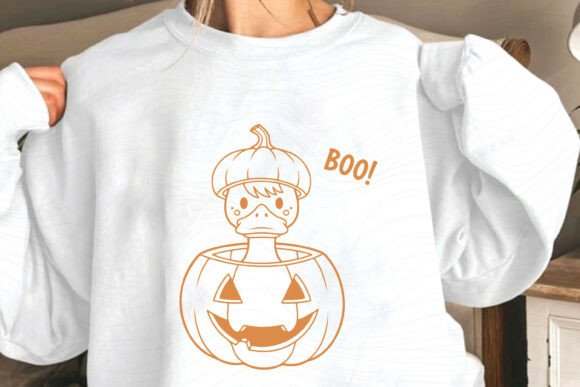
Last week, I prepped the Retro Halloween SVG Design for a small-batch kitchen linen line—linen tea towels for a neighborhood gift shop launching their October collection. I chose medium-weight linen (slightly textured but stable), paired it with tear-away stabilizer, and ran a test on scrap first. The design held up beautifully: the pumpkin’s curved fill stitches laid smoothly, the ghost’s outline stayed crisp in running stitch, and the retro “BOO!” lettering—chunky and sans-serif—stitched cleanly without thread breaks or density buildup. Customers loved the result: nostalgic but fresh, festive but not childish. It didn’t scream “Halloween party”—it whispered “cozy autumn kitchen,” which aligned perfectly with the boutique’s brand voice. That’s the quiet strength of this design: it works *with* your product, not over it.
Where It Shines (and Where to Pause)
The Retro Halloween SVG Design excels in applications where clarity and character matter more than photorealism:
- Custom apparel: Sweatshirts, crewnecks, and cotton tees—especially chest or sleeve placements—let its bold shapes pop without competing with seams or stretch.
- Embroidered patch: Clean edges and moderate detail make it an excellent candidate for iron-on or sew-on patches on denim jackets or backpacks.
- Baby embroidery: Gentle motifs (no sharp points or aggressive lines) and scalable size suit onesies, burp cloths, and nursery pillows—just avoid ultra-dense fill areas if stitching on delicate interlock knit.
- Tote bag design: Its horizontal-friendly proportions anchor well on canvas or duck cloth, especially when centered above a gusset seam.
- Holiday embroidery for small shops: Works seamlessly as a limited-run product—think “October Shop Special” tags, aprons for bakeries, or embroidered mugs sleeves (when adapted for heat-transfer vinyl mockups).
That said, proceed thoughtfully in these situations:
- Curved surfaces like caps: The design’s flat geometry doesn’t wrap naturally—test fit in your embroidery software before hooping. You may need slight digitizing tweaks for clean cap front placement.
- Dark or heavily textured fabrics: While the high-contrast layout helps, always preview in black-and-white mockups. Some fine interior lines (like ghost stitching details) may soften on fleece or terry cloth—consider simplifying those in your embroidery file if needed.
- Thin or stretchy fabric: Use cutaway stabilizer beneath lightweight knits. The Retro Halloween SVG Design has no large open areas, but its mid-density fill still needs support to prevent puckering.
- Frequent-wash items: Like all machine embroidery designs, durability depends on stitch quality—not just the digital file. Reinforce backstitching at start/end points, especially on satin-stitched elements like pumpkin stems.
What It Adds to Your Finished Product—Beyond Just Looks
This isn’t just another holiday graphic. Used intentionally, the Retro Halloween SVG Design lifts perceived value: customers recognize craftsmanship in its confident lines and intentional spacing. It reads as *designed*, not downloaded. For Etsy sellers and craft business owners, that translates to stronger buyer engagement—shoppers linger longer on listings featuring this kind of cohesive, mood-aligned embroidery file. It also supports brand consistency: whether you’re selling personalized gifts or wholesale boutique merchandise, the design’s tone stays warm and approachable without leaning into kitsch. And because it’s built for versatility—not just one use case—it becomes reliable design assets across seasons (yes, even early October merch feels intentional, not rushed).
Practical Notes Every Embroidery Designer Should Check
Before stitching—or listing your finished item—take five minutes to verify these:
- Test the design on scrap fabric using your exact stabilizer, thread, and machine settings—not just software simulation.
- Review stitch density: Look for tight clusters (e.g., around letter joints) that could cause thread nesting on dense fabrics.
- Confirm hoop size compatibility: Even if the design fits digitally, ensure your machine’s maximum hoop area accommodates it comfortably.
- Inspect small details: Zoom in on any interior accents—do they hold shape at 3x scale? If not, simplify before finalizing.
- Check thread color contrast, especially for light/dark fabric variants. Try a grayscale mockup to spot low-contrast zones.
- Use proper stabilizer—this design benefits from medium-weight tear-away on stable wovens, but switch to cutaway for knits or unstable blends.
- Verify licensing: Since this is a digital embroidery file sold as Graphics, confirm whether commercial use (i.e., selling finished embroidered products) is permitted—review the seller’s terms before listing on Etsy or at craft fairs.
The Retro Halloween SVG Design won’t replace your entire holiday collection—but it fills a very specific, very useful gap: joyful, timeless, and stitch-ready. Whether you're prepping a custom embroidered pillow cover for a client, building a small shop product line, or creating personalized gifts for friends, it delivers consistent results without demanding excessive digitizing time or fabric compromises. In the world of Crafts, that kind of reliability is rare—and worth holding onto.